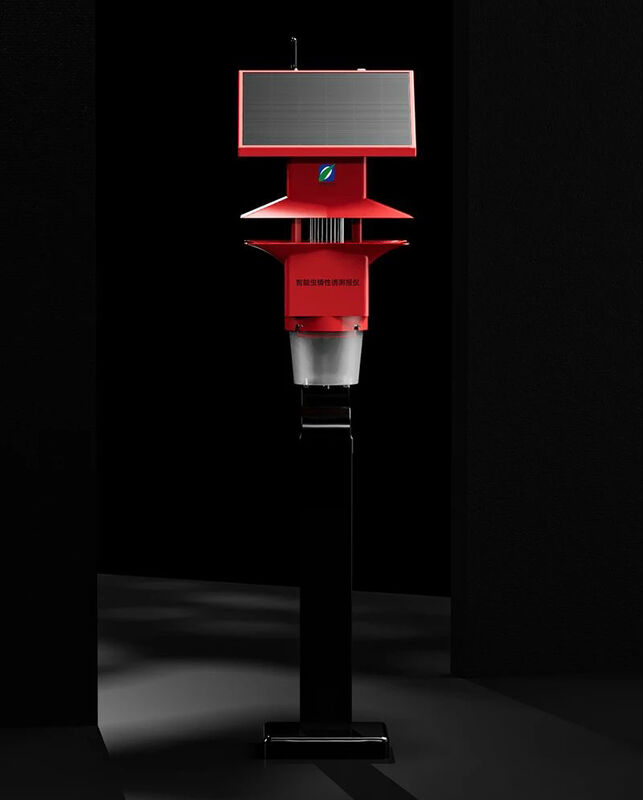
Identify the device before discussing the network
Begin with the exact device model and configuration in the supplier’s proposal. AIM Lite has an individual product description referring to solar-powered IoT monitoring, GPS positioning and GPRS transmission. Ask for the current technical document for that named model. Keep other device names in separate enquiry lines and request their own communications descriptions. If the project already has a unit, send its label and available configuration information. Ask the supplier to state which device and configuration its response covers. This gives the communications reviewer an identifiable starting point without assuming that a feature mentioned for AIM Lite belongs to the whole smart-device directory or to every offered package.
Describe the site connection questions
Provide the country and intended location to the technical reviewer and identify the person responsible for network arrangements. Ask what site information is needed to assess the proposed communications method. Request a response about the network and service arrangements for the actual model and intended destination. Have the local technical person check the proposal against the site conditions and available services before purchase. Keep coverage, account and service questions open until they have been answered for the project. If the response proposes a different device or connection arrangement, request a revised configuration description so the new option can be reviewed independently rather than treated as an assumed extension of the original proposal.
Ask how observations would be accessed
Describe who needs to see the monitoring records and how those records would enter your existing review process. Request information about the proposed account arrangements, data access, export options and responsibilities for administration. Ask which elements are part of the offered package and which require separate agreement. If the supplier provides an example screen or report, ask the reviewer to identify which functions it demonstrates for the named proposal. Keep questions about ownership and continued access in the technical and commercial review. A clear account request helps the buyer compare the device proposal with the operational needs of the people who will inspect and interpret the observations.
Separate hardware from ongoing arrangements
Request an itemised quotation distinguishing the device, associated components and any separately proposed service or account elements. Ask for the documents describing the configuration and responsibilities attached to each part. Give the desired destination and arrival timing and confirm minimum-order and delivery conditions for the hardware. Have your technical reviewer assess the connection response before commercial approval, and record any unanswered service question. Keep the accepted configuration and communications documents with the purchase reference so a future device enquiry can describe the installed proposal accurately. If the location, network or access needs change, request an updated technical response before assuming the earlier purchasing decision covers the new situation.
Smart trap data connectivity requirements: documents to request
| Ask about | Request with your inquiry |
|---|---|
| Which model and configuration are quoted? | AIM Lite or other individually named technical document |
| What must be checked at the site? | Destination network and service questions |
| Who controls observation access? | Account, data and responsibility request |